
Lost in Translation? How Consumer Reports Evaluates the Best Translati…
페이지 정보

본문
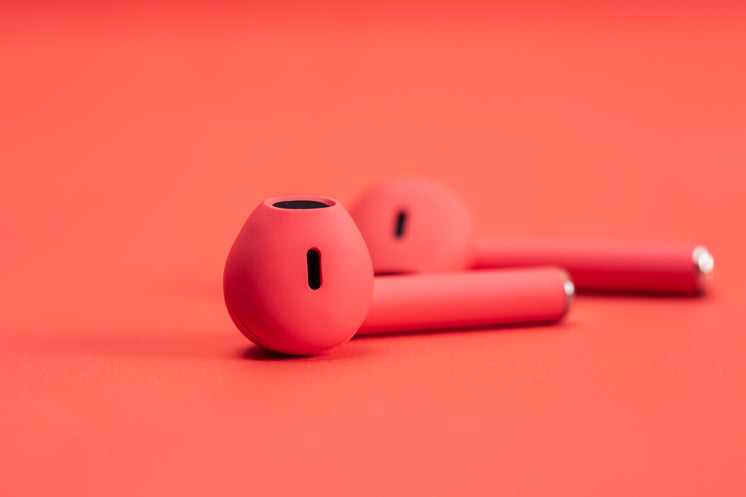
Here is a blog post based on the topic of Consumer Reports and translation earbuds.
We live in an increasingly connected world. Whether you’re navigating a bustling market in Bangkok, conducting business in Tokyo, or simply trying to order a croissant in Paris without pointing, the language barrier is becoming less of a wall and more of a door.
Enter the AI translation earbud. This technology, once the realm of science fiction (think the Babel fish from The Hitchhiker's Guide to the Galaxy), is now a real, tangible product on store shelves. Brands like Timekettle, Waverly Labs, and Google are flooding the market with promises of seamless, real-time conversation.
But with so many flashy ads and bold claims, how do you know which pair actually works?
This is where Consumer Reports comes in. Known for their rigorous, unbiased testing, they cut through the marketing hype to see what actually delivers. Here is a breakdown of how Consumer Reports evaluates translation earbuds and what you should look for before buying.
1. The "Lag Time" Test
The biggest enemy of a natural conversation is delay. If you say "Hello, how are you?" and the listener hears the translation 3 seconds later, the flow is broken.
How they test it:
Consumer Reports measures the latency—the time between when a phrase is spoken and when the translation is audible. The best earbuds on the market manage to keep this lag under two seconds, which is crucial for maintaining eye contact and natural body language during a conversation.
What this means for you:
Look for devices that advertise "near real-time" processing. If a review mentions a noticeable delay, the earbuds are better suited for one-way interactions (like listening to a tour guide) rather than a back-and-forth dialogue.
2. Accuracy in Noisy Environments
It’s easy to translate perfectly in a quiet sound booth. It is much harder to translate correctly when you’re standing next to a roaring scooter in Hanoi or amidst the clatter of a busy café in New York.
How they test it:
CR tests translation accuracy against background noise. They play recordings of ambient sounds (traffic, crowd chatter, wind) at specific decibel levels while testing the earbuds' ability to capture the primary speaker's voice.
What this means for you:
Check for microphone arrays and noise cancellation specs. Earbuds with beamforming microphones (which focus on the voice directly in front of you) perform significantly better in crowded areas than cheaper models with single microphones.
3. Language Support and Offline Capabilities
Not all earbuds speak the same language. Some support 40 languages, while others support 100+. Furthermore, relying on a data connection can be a dealbreaker if you’re traveling off the grid.
How they test it:
Reviewers catalog the number of languages and dialects available. More importantly, they test the offline mode. Can you download language packs for use without Wi-Fi or cellular data?
What this means for you:
If you travel to remote areas, offline capability is non-negotiable. However, CR notes that offline translations are often slightly less accurate than cloud-based ones because the AI model is compressed to fit on the device. For major languages (Spanish, French, Mandarin), the difference is negligible; for less common dialects, it can be significant.
4. Comfort and Battery Life
You can have the world’s best AI, but if the earbuds fall out or die after an hour, they are useless.
How they test it:
CR brings in a panel of testers with different ear shapes to evaluate comfort over long periods. They also run continuous battery drain tests to verify manufacturer claims.
What this means for you:
Look for earbuds that come with multiple tip sizes (silicone and foam). Also, pay attention to the charging case. Many translation earbuds rely on the case to provide extra battery life. A case that offers three to four recharges is ideal for a full day of sightseeing or business meetings.
5. Ease of Use
Translation tech can get complicated fast. Do you need to hold a button? Open an app every time? Use a specific "modes"?
How they test it:
CR evaluates the user interface. The best devices allow for "tap-to-translate" functionality directly on the earbud stem without needing to pull out your phone.
What this means for you:
The more seamless the interaction, the better. In a fast-paced conversation, fumbling with a smartphone app breaks the connection. Look for earbuds that prioritize standalone functionality.
The Verdict: Are They Worth It?
According to the general consensus of consumer technology reviews (and the specific testing done by CR), here is the current state of the market:
- High-End (e.g., Timekettle WT2 Edge, Waverly Labs Pilot): These are excellent for two-way conversations. They use a "listen mode" (one person wears an earbud, the other speaks into the phone or a companion device) or a dual-earbud setup. They score high on accuracy but are an investment.
- Mid-Range: These often rely heavily on a smartphone app and are better for one-on-one interviews or travel assistance rather than fluid social banter.
- Smartphone-Only (e.g., Google Translate App): Surprisingly, CR often notes that for basic translation needs, a dedicated app on your phone can still outperform cheap, standalone earbuds.
Conclusion
Translation earbuds are a rapidly evolving technology. While they aren't quite perfect yet—AI still struggles with slang, sarcasm, and heavy accents—they have reached a point of high utility for travelers and professionals.
When shopping, don't just look at the number of languages advertised. Use the Consumer Reports framework: prioritize speed, noise handling, and comfort. The best translation earbuds aren't just the ones that translate the most languages; they are the ones that disappear into your ear and let you focus on the person in front of you.
Disclaimer: Prices and website model availability change frequently. Always check the latest Consumer Reports reviews and official brand websites for the most current data before purchasing.
- 이전글Пледы велсофт полоса 26.04.22
- 다음글bayar bayar bayar bayar bayar bayar bayar bayar bayar bayar bayar bayar bayar bayar bayar bayar bayar bayar bayar bayar bayar bayar bayar bayar bayar bayar bayar bayar bayar bayar bayar bayar bayar bayar bayar bayar 26.04.22
댓글목록
등록된 댓글이 없습니다.